
Germany is an important market for imported specialty foods, ethnic food products, and premium ingredients. Indian ghee has a strong connection with traditional Indian cuisine, and demand for specialty varieties such as A2 cow ghee can create opportunities for importers, distributors, retailers, restaurants, and private-label food businesses.
For buyers looking for an A2 Cow Ghee Supplier in Germany, sourcing directly from an experienced Indian supplier can provide access to traditional Indian ghee, bulk supply options, export-oriented packaging, and customized solutions. India has a long-standing tradition of producing ghee, while the country's dairy sector offers a broad sourcing base for international food businesses.
This guide explains A2 cow ghee, its sourcing, wholesale opportunities, export considerations, packaging, documentation, and the process of importing A2 Cow Ghee from India to Germany.
What Is A2 Cow Ghee?
A2 cow ghee is clarified butter prepared from cow's milk associated with the A2 beta-casein protein type. The term "A2" relates to the beta-casein profile of the milk rather than being a separate type of ghee-making process.
The final quality of ghee depends on several factors, including:
- Source and quality of milk
- Cow sourcing and traceability
- Dairy handling practices
- Ghee preparation method
- Filtration and clarification
- Hygiene and production controls
- Storage conditions
- Packaging
- Batch consistency
Traditional Indian ghee is valued for its characteristic aroma, rich texture, golden appearance, and culinary versatility. For B2B buyers, however, product specifications, consistency, documentation, packaging, and traceability are equally important when selecting an Indian A2 Cow Ghee Supplier.
A2 positioning should also be presented accurately. It should not automatically be used as a claim that the product provides specific medical or health benefits unless such claims are appropriately substantiated and permitted for the target market.
Why Export A2 Cow Ghee from India to Germany?
India has a long history of ghee production and consumption. Ghee is used across Indian cuisine and is also supplied through traditional dairy and food-processing channels.
For German importers, sourcing A2 ghee from India can offer opportunities in several market segments, including specialty foods, Indian grocery, food service, ethnic food distribution, and private-label products.
 UDYAM
UDYAM ISO
ISO FSSAI
FSSAI FDA
FDA FDA APPROVED
 APEDA
APEDA IEC
IEC GST
GSTSome potential advantages include:
Traditional Indian Product Heritage
Ghee is an established part of Indian culinary culture. Buyers looking for authentic Indian food products may consider Indian-origin ghee for their product portfolios.
Specialty Food Opportunity
A2 cow ghee can be positioned as a specialty Indian dairy product for suitable retail and distribution channels, subject to applicable German and EU food regulations.
Wholesale and Bulk Supply
Importers and distributors may require larger quantities than consumer retail purchases. An A2 Ghee Exporter from India can support commercial orders through bulk and wholesale supply arrangements.
Multiple Commercial Applications
A2 cow ghee may be suitable for:
- Indian grocery stores
- Specialty food retailers
- Indian restaurants
- Food distributors
- Food-service businesses
- Online food retailers
- Private-label food brands
Premium Indian A2 Cow Ghee for the German Market
When purchasing ghee for commercial distribution, buyers should evaluate more than just the product name. A reliable supplier should be able to discuss the product's sourcing, specifications, packaging, and export requirements.
Milk Source
The source of milk is an important consideration when purchasing A2 cow ghee. Buyers should ask suppliers about the sourcing model, documentation, and traceability available for the product.
A2 Cow Sourcing
If a product is marketed specifically as A2 cow ghee, the supplier should be able to explain the basis of that designation and provide supporting documentation where applicable.
Traditional Preparation
Traditional preparation methods can be an important part of the product's positioning. Buyers should understand how the ghee is produced and what quality controls are used during manufacturing.
Aroma, Texture and Colour
Premium ghee generally has characteristic sensory properties, including a pleasant dairy aroma, smooth texture, and typical golden appearance. These characteristics can vary according to milk source, production method, and processing conditions.
Purity and Quality Controls
Commercial buyers should evaluate:
- Raw-material controls
- Production hygiene
- Food-grade processing
- Batch consistency
- Laboratory testing where applicable
- Storage conditions
- Traceability
Packaging and Shelf Life
Packaging should be selected according to the intended sales channel, shipment requirements, storage conditions, and applicable food regulations.
A2 Cow Ghee Supplier and Exporter from India
For German importers searching for an A2 Cow Ghee Exporter from India, the supplier's export capability is an important consideration.
A B2B-focused supplier may support buyers with:
- Bulk A2 cow ghee supply
- Wholesale orders
- Retail-ready packaging
- Export packaging
- Product specifications
- Batch information
- Commercial documentation
- Shipment coordination
- Private-label requirements, where available
- Customized packaging, where available
Before placing a commercial order, buyers should clearly discuss product specifications, quantity, packaging, minimum order quantity, payment terms, delivery terms, and documentation.
A reliable Indian A2 Cow Ghee Supplier should also communicate clearly about what can and cannot be customized rather than making unsupported claims.
A2 Gir Cow Ghee Export to Germany
Gir cow ghee is a specific category of Indian cow ghee associated with milk sourced from Gir cattle. The Gir breed originates from the Indian subcontinent and is particularly associated with Gujarat and parts of western India.
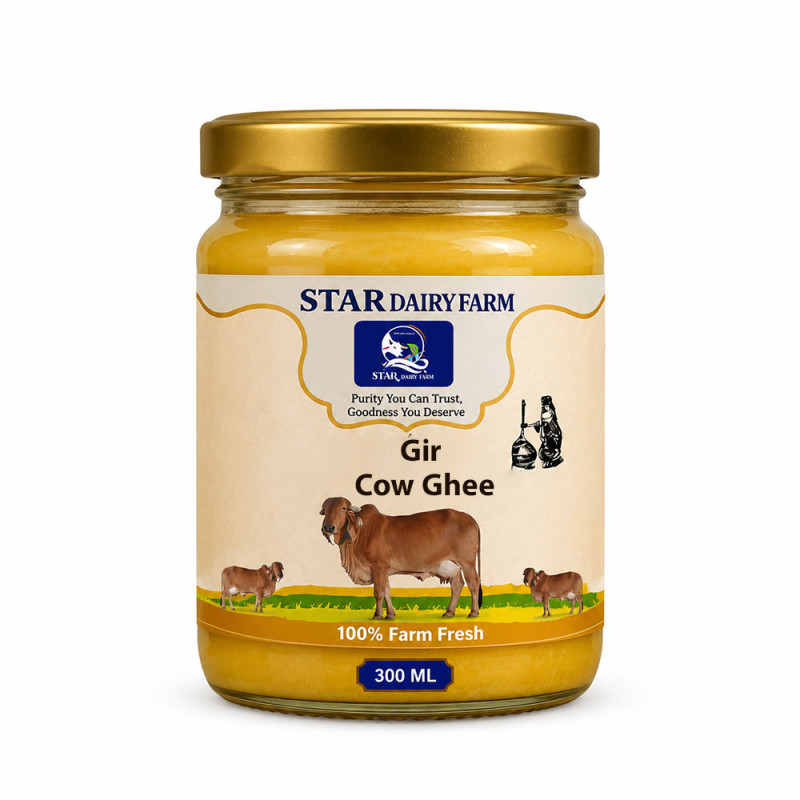
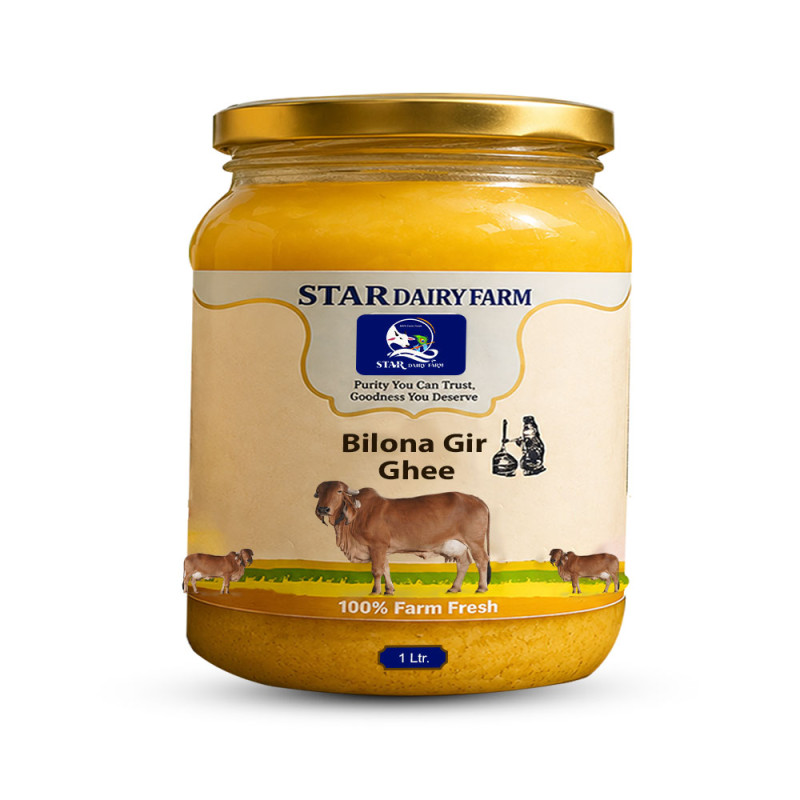
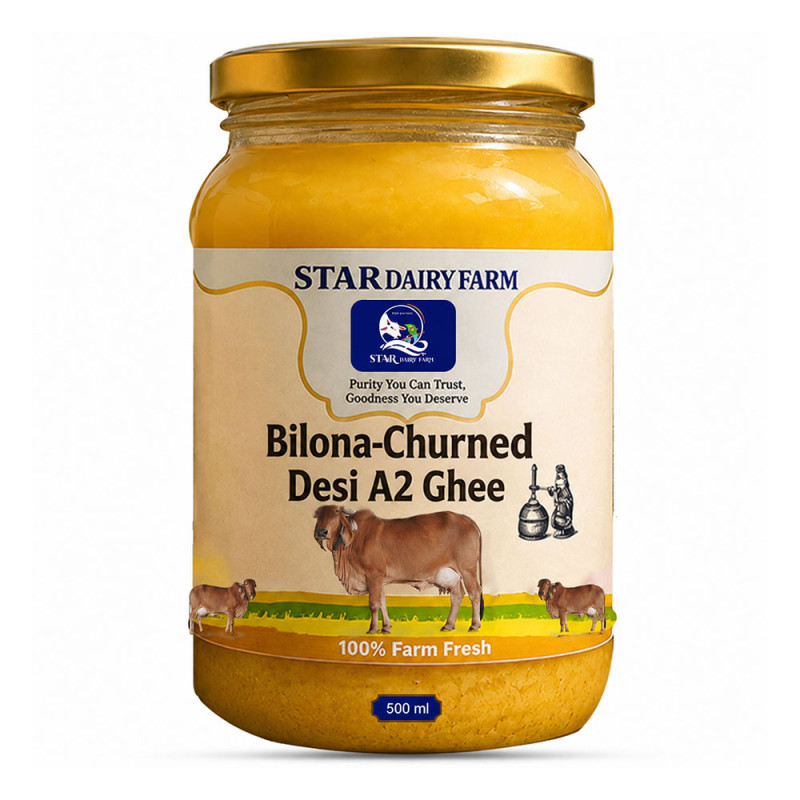
If your product is specifically made using milk from Gir cows, it can be positioned separately from general A2 cow ghee.
The key distinction is:
- A2 cow ghee refers to ghee made from milk associated with the A2 beta-casein type.
- Gir cow ghee refers to ghee associated with milk from Gir cattle.
- A Gir cow product may be marketed as A2 when its milk meets the relevant A2 criteria, but these terms should not be treated as automatically interchangeable.
For buyers searching for a Pure Gir Cow Ghee Supplier, sourcing transparency is particularly important. Ask the supplier about cattle sourcing, traceability, production practices, and documentation supporting the product description.
A2 Cow Ghee Wholesale Supply for Germany
Wholesale supply is particularly relevant for importers, distributors, retailers, restaurants, and private-label businesses.
| Buyer Type | Suitable Supply |
|---|---|
| Importers | Bulk/export packaging |
| Distributors | Retail and wholesale packs |
| Supermarkets | Consumer-ready packaging |
| Indian grocery stores | Retail jars |
| Restaurants | Food-service packs |
| Private-label brands | Customized packaging |
The appropriate format depends on the buyer's business model. A distributor supplying multiple retail stores may need consumer-ready jars, while a restaurant or food-service distributor may prefer larger food-service packs.
For recurring orders, buyers should also discuss production capacity, lead times, batch consistency, MOQ, packaging specifications, and shipment planning.
A2 Cow Ghee Packaging Options for Export to Germany
Packaging plays an important role in international food shipments. The selected packaging should protect the product during transportation while meeting applicable food-contact, labelling, and import requirements.
Depending on the supplier's capabilities and buyer requirements, possible formats may include:
- Glass jars
- Food-grade containers
- Retail-ready packs
- Bulk containers
- Food-service packs
- Private-label packaging
- Export cartons
- Protective secondary packaging
Tamper-evident sealing and suitable secondary packaging may also be considered where appropriate.
For private-label orders, buyers should finalize artwork, label information, packaging material, dimensions, quantities, and regulatory requirements before production.
Quality Standards for A2 Cow Ghee Export
Quality is one of the most important factors when selecting a Premium A2 Ghee Supplier for international trade.
A commercial buyer should evaluate the supplier based on:
Raw-Material Quality
The supplier should have appropriate controls over milk sourcing and raw materials.
Manufacturing Hygiene
Food manufacturing should follow appropriate hygiene and sanitation procedures.
Batch Consistency
Commercial customers need consistent product characteristics from one shipment to another.
Food Safety Testing
Where applicable, relevant laboratory testing and product specifications should be available for commercial buyers.
Traceability
The supplier should maintain appropriate records to help identify production batches and relevant supply-chain information.
Documentation
Export shipments may require various commercial, food-safety, shipping, and regulatory documents depending on the transaction.
Export Packaging and Labelling
Packaging and labels should be prepared according to the applicable requirements of the destination market.
Important: Germany is part of the European Union, so food products imported into Germany must comply with applicable EU and German requirements. Requirements can vary according to the product, ingredients, packaging, importer, shipment structure, and current regulations. Suppliers and importers should verify the latest requirements before shipment.
Documents Required for Exporting A2 Cow Ghee from India to Germany
The exact documentation depends on the shipment and applicable regulations. Typical export documentation may include:
- Commercial invoice
- Packing list
- Shipping documents
- Certificate of origin, where required
- Product specifications
- Food-safety documentation
- Health or sanitary documentation, where applicable
- Import-related documentation
- Product labelling information
- Other documents requested by the importer or authorities
The German importer is also responsible for meeting applicable import and food-law requirements on the destination side.
Because regulatory requirements can change, buyers should confirm the current requirements with the relevant authorities, customs professionals, freight forwarders, and their German importer before arranging a shipment.
How to Import A2 Cow Ghee from India to Germany
Importing A2 cow ghee can be approached through a structured B2B process.
Step 1: Select an Indian A2 Ghee Supplier
Shortlist suppliers based on product quality, sourcing, manufacturing capabilities, export experience, documentation, and commercial terms.
Step 2: Discuss Product Specifications
Confirm the exact product type, milk source, ghee specifications, packaging, quantity, shelf-life information, and other requirements.
Step 3: Request Samples and Documentation
Where available, request product samples and relevant specifications or testing documentation before placing a large order.
Step 4: Finalize Packaging and MOQ
Determine the packaging format, label requirements, minimum order quantity, carton configuration, and shipment quantity.
Step 5: Confirm Commercial Terms
Discuss pricing, payment terms, Incoterms, lead time, freight arrangements, insurance responsibilities, and delivery requirements.
Step 6: Complete Export Documentation
The exporter and importer should coordinate the required commercial and regulatory documents.
Step 7: Prepare the Shipment
The goods should be packed, labelled, documented, and prepared for transportation according to the agreed specifications.
Step 8: Customs and Import Clearance in Germany
The German importer or appointed customs representative handles the applicable import procedures and clearance.
Step 9: Delivery to the Importer or Distributor
After clearance, the shipment can be delivered to the agreed warehouse, distributor, retailer, or other destination.
Why Choose Our A2 Cow Ghee as a German Importer?
For a German importer, selecting an Indian supplier should be based on measurable commercial requirements rather than marketing claims alone.
Our focus as an Indian A2 cow ghee supplier can be built around:
- Direct Indian sourcing
- Premium A2 cow ghee
- Bulk and wholesale supply
- Export-oriented packaging
- Consistent product specifications
- Customized packaging where available
- Private-label opportunities where applicable
- Commercial documentation support
- Shipment coordination
- B2B order support
Whether you are an importer, distributor, retailer, restaurant supplier, or private-label business, discuss your required specifications with the supplier before confirming an order.
Applications of A2 Cow Ghee in Germany
A2 cow ghee can serve different commercial applications depending on the product format and applicable food regulations.
Potential buyer segments include:
Indian Restaurants
Restaurants may use ghee as a cooking ingredient in traditional Indian dishes.
Indian Grocery Stores
Retailers can offer packaged Indian ghee to customers looking for familiar Indian food products.
Specialty Food Retailers
Specialty stores may consider Indian-origin ghee as part of an international or premium food range.
Food Distributors
Distributors can supply ghee to restaurants, retailers, and other commercial customers.
Online Food Businesses
E-commerce food businesses may sell consumer-ready ghee products through their online channels.
Private-Label Brands
Businesses developing their own food brands may explore private-label ghee solutions, subject to the supplier's capabilities and applicable regulatory requirements.
How to Choose an A2 Cow Ghee Supplier from India?
Choosing the right supplier is an important step for German importers. Consider the following checklist:
- Verify the milk and cow source – Ask how the product is sourced and whether traceability information is available.
- Understand manufacturing practices – Learn how the ghee is produced and handled.
- Check product specifications – Review the product's technical and quality specifications.
- Request relevant documentation – Ask for available testing and food-safety documents.
- Confirm packaging – Make sure the packaging suits your intended sales channel and shipment.
- Check MOQ – Confirm the supplier's minimum order quantity.
- Discuss shipping terms – Clarify Incoterms, freight, delivery responsibilities, and timelines.
- Verify export experience – Ask about previous international supply experience where relevant.
- Request samples – Evaluate the product before committing to a larger order.
- Confirm payment and delivery terms – Put commercial terms in writing before placing the order.
This approach can help importers identify a supplier based on product quality, transparency, commercial suitability, and regulatory preparedness.
Frequently Asked Questions About A2 Cow Ghee Export to Germany
1. Can A2 cow ghee be exported from India to Germany?
Yes, Indian ghee can be considered for export to Germany, but the shipment must meet the applicable EU and German food, import, customs, labelling, and documentation requirements. The exact requirements should be verified before shipment.
2. Who supplies A2 cow ghee from India to Germany?
Indian dairy manufacturers, food exporters, and specialized ghee suppliers may supply A2 cow ghee internationally. Buyers should evaluate sourcing, product specifications, documentation, packaging, MOQ, and export capability before selecting a supplier.
3. What is the difference between A2 cow ghee and regular cow ghee?
The term A2 refers to the beta-casein profile associated with the milk used to make the ghee. Regular cow ghee may not be specifically marketed or verified according to an A2 milk profile.
4. Can I buy A2 cow ghee in bulk from India?
Yes, bulk purchasing can be arranged with suitable B2B suppliers, subject to their MOQ, production capacity, packaging formats, and commercial terms.
5. What packaging options are available for A2 ghee exports?
Depending on the supplier, options may include retail jars, food-service packs, bulk containers, export cartons, and private-label packaging.
6. What documents are required to import ghee into Germany?
Documentation varies by shipment and regulatory requirements. It may include commercial, shipping, product, food-safety, origin, health or sanitary, and import-related documents. The importer should verify the current requirements before shipment.
7. Can Indian A2 ghee suppliers provide private-label packaging?
Some suppliers offer private-label or customized packaging. Buyers should confirm MOQ, packaging material, label requirements, artwork specifications, and production timelines directly with the supplier.
8. What is the MOQ for A2 cow ghee export?
MOQ varies by supplier, packaging format, product specification, and order volume. Request a quotation based on your required quantity and packaging format.
9. How long does A2 ghee shipment from India to Germany take?
Transit time depends on the shipping method, port or airport, carrier, customs clearance, documentation, and destination. The supplier or freight forwarder can provide an estimated schedule for a specific shipment.
10. How can German importers request an A2 cow ghee sample?
Importers can contact the supplier with their required product specification, packaging preference, destination, and intended quantity to discuss sample availability and shipping arrangements.
Get a Quote for A2 Cow Ghee Export to Germany
Looking for a reliable A2 Cow Ghee Supplier in Germany or an A2 Cow Ghee Exporter from India?
Partner with an Indian supplier for premium A2 cow ghee suitable for bulk, wholesale, food-service, retail, and private-label requirements, subject to product availability and applicable regulations.
Request a Bulk Quote | Request Product Samples | Talk to Our Export Team | Enquire About Private-Label A2 Ghee
When contacting a supplier, share your required quantity, packaging format, destination, private-label requirements, and intended application. This helps the export team provide a more accurate commercial quotation and shipment plan.


