
India has a long-standing relationship with ghee. It is used in everyday cooking, traditional recipes, sweets, Ayurveda-inspired diets, religious practices, and increasingly in premium and health-conscious food products.
Among the different varieties of ghee available today, A2 Cow Ghee has developed a strong premium identity. Demand is no longer limited to Indian households. Overseas Indian communities, specialty food stores, wellness-focused consumers, restaurants, and distributors are creating opportunities for Indian suppliers to build an international market for premium ghee.
For exporters, however, selling A2 Cow Ghee internationally involves much more than simply putting the product into a container and shipping it overseas. Product quality, sourcing, documentation, packaging, shelf life, labelling, destination-country regulations, logistics and buyer requirements all need to be considered.
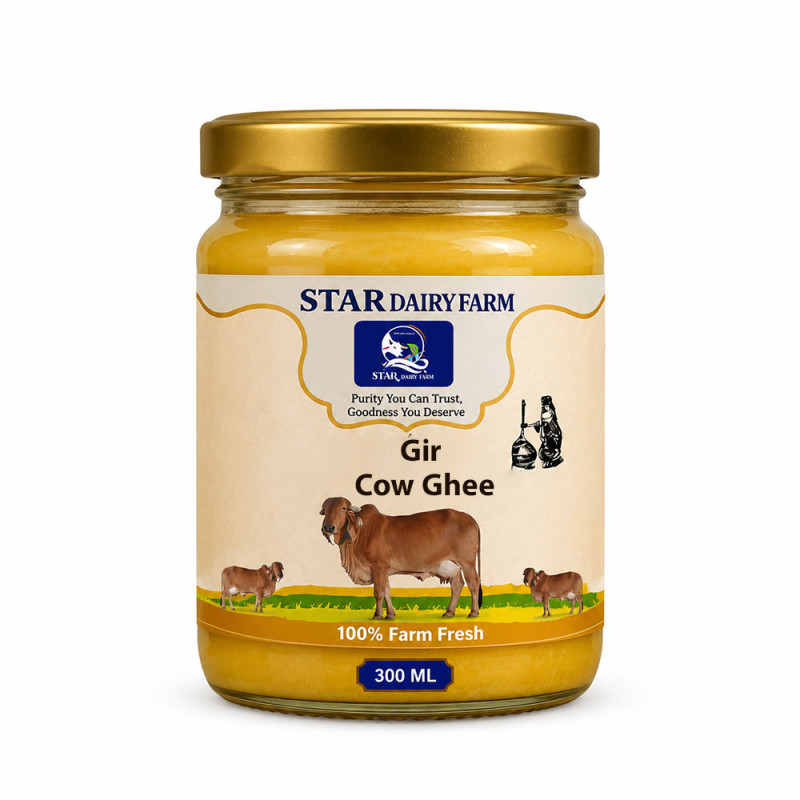
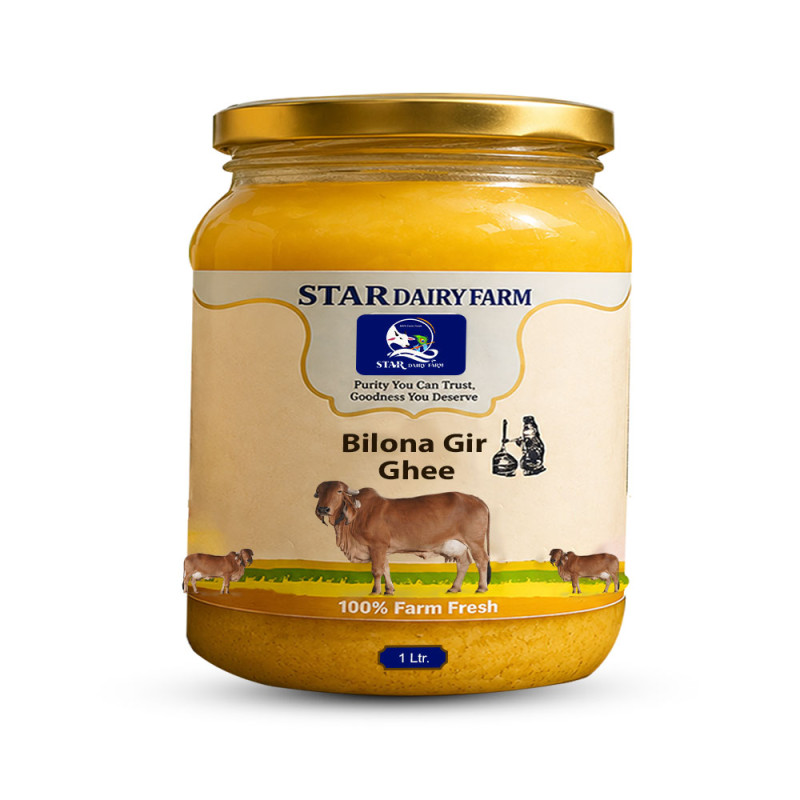
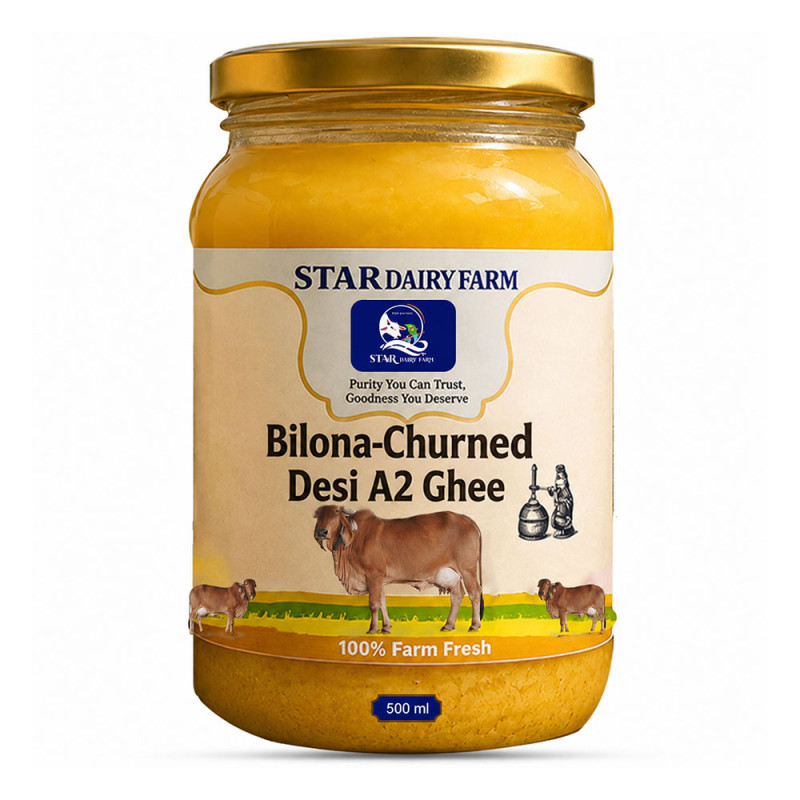
Star Dairy Farms works in this segment as an A2 Ghee Supplier, with a focus on supplying quality A2 Cow Ghee for domestic, wholesale and export-oriented requirements. Our objective is to provide buyers with a dependable supply partner rather than treating every export enquiry as a one-time transaction.
In this guide, we explain the A2 Cow Ghee export opportunity from India, important demand markets, packaging options, documentation, buyer expectations and practical considerations for exporters.
What Is A2 Cow Ghee?
A2 Cow Ghee is ghee made from cow milk associated with the A2 type of beta-casein protein. The milk is processed to obtain butter or milk fat, which is then converted into ghee through controlled heating and clarification.
The term A2 has become particularly popular in premium dairy and wellness markets. Consumers who specifically seek A2 dairy products often look for information about the source of milk, production method, traceability and quality.
For this reason, an A2 Ghee exporter should avoid treating the word "A2" simply as a marketing label. International buyers increasingly want documentation and transparency around the product.
At Star Dairy Farms, we understand that premium ghee buyers are looking for more than appearance and aroma. They want consistency, reliable supply and confidence in the product they are purchasing.
Why Is A2 Cow Ghee Becoming Attractive for Export?
The international ghee market is benefiting from several overlapping trends.
1. Growing Indian Diaspora
Indian communities living in the UAE, USA, Canada, Australia, the UK and other countries continue to create demand for familiar Indian food products.
Ghee is particularly relevant because it is used in:
- Indian cooking
- Traditional sweets
- Religious practices
- Home food preparation
- Bakery applications
- Ayurvedic-inspired diets
- Premium food products
This creates a natural starting market for Indian ghee exporters.
2. Premium Food Trends
Consumers in several international markets are increasingly interested in traditional, minimally processed and premium-positioned foods.
A2 Cow Ghee can be positioned in this premium segment when supported by appropriate product information, quality control and compliant labelling.
3. Demand from Restaurants and Food Businesses
Export demand is not limited to retail consumers.
Potential B2B buyers include:
- Indian restaurants
- Sweet manufacturers
- Bakeries
- Food distributors
- Ethnic grocery chains
- Organic and specialty food stores
- Ayurveda and wellness retailers
- Private-label food companies
- HoReCa suppliers
This makes bulk A2 Ghee supply particularly relevant for Indian exporters.
4. Rising International Interest in Indian Dairy Products
APEDA's dairy market analysis indicates that India's ghee export opportunity is expanding, with the UAE, USA and Australia identified among important markets. APEDA's January 2026 dairy dashboard also highlights opportunities for premium and health-focused markets, including North America, Europe and Australia.
This does not mean every market is automatically suitable for every A2 Ghee supplier. Each destination has its own food safety, labelling and import requirements.
A2 Cow Ghee Export Demand from India
India has an important advantage in the international ghee market: product familiarity and cultural acceptance.
Indian consumers already understand ghee, while Indian-origin communities overseas create established demand channels.
APEDA's January 2026 dairy dashboard notes that India's ghee export market has been growing rapidly and identifies opportunities in markets such as the UAE, USA and Australia. It also highlights Southeast Asian opportunities, including Indonesia, Malaysia, Singapore and Thailand, where dairy fats can be used in bakery, confectionery and HoReCa applications.
This creates several possible export segments.
| Export Segment | Typical Buyer |
|---|---|
| Retail | Supermarkets, grocery stores, ethnic stores |
| Wholesale | Food distributors and importers |
| HoReCa | Restaurants, hotels and catering companies |
| Food Manufacturing | Bakeries, sweets and food processors |
| Private Label | Overseas brands |
| Wellness Retail | Specialty and premium stores |
| Indian Grocery | Ethnic food distributors |
For Star Dairy Farms, the B2B opportunity is particularly important because international buyers may require repeat shipments rather than small one-time purchases.
Top Markets to Explore for Indian A2 Cow Ghee
The right export market depends on buyer demand, import regulations, logistics costs, competition and product positioning.
1. UAE
The UAE is one of the most natural markets for Indian ghee.
Reasons include:
- Large Indian-origin population
- Strong Indian food culture
- Established Indian grocery distribution
- Restaurant demand
- Premium food retail
- Convenient logistics from India
For a supplier such as Star Dairy Farms, the UAE can be considered for both retail-packed and bulk B2B supply.
2. United States
The USA offers a much larger and more diversified consumer base.
Potential channels include:
- Indian supermarkets
- South Asian distributors
- Online grocery businesses
- Restaurants
- Wellness stores
- Specialty food retailers
However, exporters should carefully review US food import, facility, labelling and importer requirements before shipping.
3. Australia
Australia is another interesting market for premium Indian dairy products.
A2 Ghee may appeal to:
- Indian grocery stores
- Restaurants
- Specialty food distributors
- South Asian communities
- Premium food consumers
The product must still comply with Australian import and food regulations.
4. Canada
Canada has a substantial South Asian consumer base and established Indian food distribution networks.
Indian ghee can potentially be supplied through:
- Importers
- Ethnic grocery chains
- Food distributors
- Restaurants
- Private-label brands
5. United Kingdom
The UK has a mature South Asian food market.
Ghee is already familiar to consumers, which can make market education easier compared with completely new food categories.
6. Southeast Asia
Countries such as Singapore, Malaysia, Indonesia and Thailand can also offer opportunities.
APEDA's dairy market analysis specifically identifies Southeast Asian expansion opportunities for Indian dairy products, including applications in bakery, confectionery and HoReCa.
What Makes A2 Cow Ghee Attractive to Overseas Buyers?
A successful export product needs a clear value proposition.
For A2 Cow Ghee, buyers may evaluate:
Milk Source
Buyers may ask about:
- Cow milk source
- A2-related claims
- Supplier traceability
- Farm or sourcing information
- Procurement practices
Production Method
The manufacturing process can influence the product's aroma, colour, texture and overall positioning.
Purity
Premium buyers generally want clear information regarding:
- Ingredients
- Additives
- Preservatives
- Fat content
- Moisture
- Quality parameters
Aroma and Taste
Authentic ghee is often evaluated by its:
- Aroma
- Colour
- Flavour
- Mouthfeel
- Granular or smooth texture
Consistency
For B2B buyers, consistency is extremely important.
A distributor who receives one batch with excellent aroma and another batch with noticeably different characteristics may hesitate to place repeat orders.
This is why quality control and batch consistency are important parts of Star Dairy Farms' supply approach.
A2 Cow Ghee Packaging for Export
Packaging is one of the most important elements of an export shipment.
A good export package must protect the product while also meeting the buyer's branding, labelling and logistics requirements.
Common Retail Packaging Sizes
Depending on the market and buyer requirements, A2 Cow Ghee can be supplied in formats such as:
- 100 ml
- 200 ml
- 250 ml
- 500 ml
- 1 litre
- 2 litre
For premium retail, smaller jars can be useful because they create a premium presentation and reduce the initial purchase barrier.
For families and regular consumers, 500 ml and 1 litre packs can be more practical.
Bulk A2 Ghee Packaging
For distributors, food manufacturers and HoReCa buyers, bulk packaging may be preferred.
Possible formats include:
- Food-grade plastic containers
- HDPE containers
- Food-grade jars
- Metal tins
- Larger food-service containers
- Buyer-specified bulk packaging
The final packaging format should be selected based on the destination market, transportation conditions, buyer requirements and applicable food-contact regulations.
At Star Dairy Farms, export enquiries can be discussed around the buyer's required pack size, quantity and intended application.
Why Export Packaging Needs Special Attention
Ghee may experience changes in texture depending on temperature.
It can become liquid in warmer conditions and solid or granular at lower temperatures. This does not necessarily indicate spoilage.
During international transportation, the shipment may pass through:
Factory → Truck → Port/Airport → Container → Overseas Port → Warehouse → Distributor → Retailer
Temperature fluctuations can occur throughout this journey.
Therefore, export packaging should be:
- Leak-resistant
- Properly sealed
- Food-grade
- Strong enough for transportation
- Suitable for stacking
- Clearly labelled
- Protected from contamination
- Packed into appropriate secondary cartons
Primary, Secondary and Tertiary Packaging
A professional export shipment generally requires multiple levels of packaging.
Primary Packaging
This directly contains the ghee.
Examples:
- Jar
- Tin
- Food-grade container
Secondary Packaging
This protects the primary packs.
Examples:
- Corrugated cartons
- Dividers
- Protective inserts
Tertiary Packaging
This is used for large-scale transportation.
Examples:
- Pallets
- Stretch wrapping
- Export cartons
- Shipping containers
The packaging configuration should be agreed with the importer before production.
Export Labelling for A2 Cow Ghee
Labelling requirements differ by destination country.
A typical retail label may need information such as:
- Product name
- Ingredient declaration
- Net quantity
- Batch/Lot number
- Manufacturing/packing date
- Best-before or expiry information
- Storage instructions
- Manufacturer details
- Importer/distributor details where required
- Country of origin
- Nutritional information where applicable
- Applicable food safety declarations
- Regulatory licence/registration information as required
- Barcode where applicable
Important: A label that is acceptable in India may not automatically satisfy the requirements of the USA, UAE, EU, Australia or another destination.
Before printing large quantities of export packaging, the importer and exporter should verify the destination country's current requirements.
A2 Claims Need Responsible Communication
One important point for premium A2 Ghee exporters is the way health and nutritional claims are presented.
Statements such as:
- "A2"
- "Pure"
- "Natural"
- "Organic"
- "Ayurvedic"
- "Healthy"
- "Chemical-free"
should not be used casually.
The claim should be supported by appropriate documentation and should comply with the regulations applicable to the destination market.
Similarly, exporters should avoid presenting A2 Ghee as a treatment or cure for diseases.
For Star Dairy Farms, building long-term buyer trust is more valuable than making aggressive claims that could create regulatory or reputational problems.
Documents Required for A2 Ghee Export from India
Export documentation depends on the product, buyer, shipment and destination country.
Common export documentation can include:
- Importer-Exporter Code (IEC)
- Commercial invoice
- Packing list
- Shipping bill
- Bill of lading or airway bill
- Certificate of origin, where applicable
- Insurance documentation, where applicable
- Product specifications
- Certificate of Analysis (CoA), where required
- Health or sanitary certificates, where required
- Buyer-specific declarations
- Other certificates required by the importing country
APEDA's export guidance lists documents such as commercial invoice, bill of lading, certificate of origin, inspection certification, insurance certificate and export packing list among commonly used export documents, with the exact requirements depending on the transaction and importing country.
IEC for Exporting from India
An Importer-Exporter Code (IEC) is an important requirement for businesses involved in India's import/export activities.
APEDA's export guidance states that obtaining an IEC is a key step in starting export activities from India.
Businesses planning regular exports should ensure their export documentation and registrations are properly maintained.
APEDA Registration and RCMC
For applicable APEDA scheduled products, exporters can obtain an APEDA Registration-cum-Membership Certificate (RCMC).
APEDA states that e-RCMC applications are processed through the DGFT portal and that exporters should obtain the IEC before applying for the APEDA RCMC.
The exact registration and compliance requirements should be checked according to the exporter's business structure and product classification.
FSSAI and Food Compliance
Because ghee is a food product, food safety compliance is an important part of the supply chain.
The exporter should maintain appropriate food business licensing and documentation, while the overseas importer may have additional requirements imposed by the destination country's food authority.
FSSAI's FoSCoS documentation also references exporter-related documentation and DGFT IEC requirements as part of its licensing/documentation framework.
Exporters should always verify the latest requirements before shipment because food regulations can change.
Certificate of Analysis for A2 Cow Ghee
International buyers may request a Certificate of Analysis (CoA) to verify product quality.
Depending on the buyer and destination, testing may cover parameters such as:
- Fat content
- Moisture
- Free fatty acids
- Peroxide value
- Acid value
- Microbiological parameters
- Adulteration-related parameters
- Heavy metals, where applicable
- Other destination-specific requirements
The exact testing panel should be decided based on the product specification and destination-market requirements.
For Star Dairy Farms, providing clear technical specifications can help overseas buyers evaluate the product before committing to a larger order.
How to Find International Buyers for A2 Cow Ghee
Export success depends heavily on finding the right buyer.
Potential channels include:
B2B Platforms
Online B2B marketplaces can help suppliers connect with:
- Importers
- Distributors
- Wholesalers
- Retailers
- Restaurant suppliers
Direct Website Enquiries
A professional website can generate enquiries from international buyers searching for:
A2 Cow Ghee Supplier from India
A2 Cow Ghee Exporter
Bulk A2 Ghee Supplier
Indian Cow Ghee Manufacturer
Private Label Ghee Supplier
Trade Shows
Food exhibitions and buyer-seller meets can provide direct access to importers.
Overseas Distributors
Instead of selling individual retail packs directly to consumers, exporters can develop relationships with local distributors who already have established grocery and restaurant networks.
Digital Marketing
SEO, Google search, LinkedIn, email marketing and B2B platforms can all support international lead generation.
APEDA also identifies trade fairs, buyer-seller meets, exhibitions, B2B portals and websites as useful channels for finding export buyers.
What International Buyers Usually Ask an A2 Ghee Supplier
When an overseas buyer contacts Star Dairy Farms, they may ask questions such as:
- What is your minimum order quantity?
- Do you supply bulk A2 Ghee?
- What retail pack sizes are available?
- Can you provide private-label packaging?
- What is the shelf life?
- What is the ingredient composition?
- Can you provide a Certificate of Analysis?
- What is the country of origin?
- Do you provide export documentation?
- Can you supply regularly?
- What is the production lead time?
- What are your payment terms?
- Can you provide samples?
- Which ports can you ship from?
- Can you customize the label?
A supplier who can answer these questions clearly creates a much stronger impression than one who only provides a price.
Private Label A2 Cow Ghee Export
Private labelling can be an attractive opportunity for Indian ghee suppliers.
Under a private-label arrangement, an overseas company can market the product under its own brand while sourcing the ghee from an Indian supplier.
Potential private-label customers include:
- Grocery brands
- Wellness companies
- Indian food brands
- Restaurant chains
- Specialty food companies
- Online food businesses
For Star Dairy Farms, private-label discussions can include:
- Pack size
- Label design
- Packaging material
- Minimum order quantity
- Product specification
- Batch requirements
- Carton configuration
- Destination country
- Shipping terms
The feasibility of private-label orders depends on quantity and packaging requirements.
Pricing A2 Cow Ghee for Export
Export pricing should not be calculated only from the domestic selling price.
A basic export costing structure may include:
Product Cost + Packaging + Labelling + Testing + Documentation + Inland Transportation + Freight + Insurance + Handling + Exporter Margin
Depending on the agreed Incoterm, additional logistics costs may be included.
For example:
FOB Pricing
The buyer generally takes responsibility for the main international freight after the agreed FOB point.
CIF Pricing
The seller includes the cost of goods, insurance and freight to the specified destination port.
Other Incoterms
The final commercial arrangement should be agreed with the buyer based on the shipment structure.
For Star Dairy Farms, export quotations can be prepared according to the buyer's required quantity, packaging, destination and shipping terms rather than providing one universal export price.
MOQ for A2 Cow Ghee Export
Minimum Order Quantity can vary significantly.
A small importer may want:
- Trial quantity
- Sample shipment
- Small cartons
A distributor may require:
- Hundreds of kilograms
- Several tonnes
- Regular monthly supply
A private-label buyer may require even larger quantities depending on the packaging arrangement.
Therefore, it is better to discuss MOQ based on:
Product + Pack Size + Packaging + Destination + Order Frequency
Sample Shipment Before Bulk Order
Sampling is an important part of international B2B trade.
An importer may want to evaluate:
- Taste
- Aroma
- Colour
- Texture
- Packaging
- Label
- Product consistency
Before placing a container-sized order, the buyer may request samples.
APEDA's export guidance also recognizes sampling as an important part of finding and developing export buyers.
For Star Dairy Farms, samples can help establish product confidence before moving toward long-term commercial supply, subject to applicable shipping and destination requirements.
Quality Control: What Matters in Export Ghee?
For export-oriented A2 Ghee, quality should be considered throughout the supply chain.
Raw Material Control
Quality starts with the milk and sourcing process.
Processing Control
The production process should be monitored for consistency.
Storage Control
Finished ghee should be stored appropriately to maintain product quality.
Packaging Control
Containers should be checked for:
- Leakage
- Seal integrity
- Damage
- Correct labelling
- Correct batch details
Dispatch Control
Before shipment, the exporter should verify:
- Quantity
- Carton count
- Batch number
- Documentation
- Buyer specifications
- Shipping instructions
These small checks can prevent costly export mistakes.
Common Mistakes in A2 Ghee Export
New exporters sometimes focus entirely on finding buyers and forget about compliance and logistics.
Here are some common mistakes:
1. Quoting Without Understanding Incoterms
FOB, CIF and other trade terms can significantly change the final price.
2. Printing Labels Too Early
Destination-specific labelling should be verified before mass printing.
3. Ignoring Buyer Specifications
Different importers can have different product and packaging requirements.
4. Underestimating Freight
International freight can significantly affect landed cost.
5. Not Testing the Product
Some buyers require specific laboratory reports before accepting the shipment.
6. Making Unsupported Health Claims
Marketing claims should be carefully reviewed for regulatory compliance.
7. Poor Secondary Packaging
A high-quality product can still arrive damaged if cartons and internal protection are inadequate.
8. Focusing Only on the First Order
Export business becomes more sustainable when the focus is on repeat supply.
How Star Dairy Farms Supports A2 Ghee Buyers
At Star Dairy Farms, we see A2 Cow Ghee supply as a long-term B2B relationship.
Our focus as an A2 Ghee Supplier is to understand what the buyer actually needs before finalizing the supply.
We can discuss requirements related to:
- A2 Cow Ghee
- Bulk supply
- Wholesale requirements
- Retail pack sizes
- Export-oriented orders
- Packaging requirements
- Private-label opportunities
- Product specifications
- Sample requirements
- Regular supply arrangements
Whether the buyer is an importer, distributor, retailer, restaurant supplier or private-label company, the objective is to develop a supply arrangement that works commercially for both sides.
Why Choose Star Dairy Farms for A2 Cow Ghee Supply?
Choosing a ghee supplier is not only about comparing the lowest price.
A reliable buyer-supplier relationship should consider:
Product Focus
Star Dairy Farms specializes in supplying A2 Cow Ghee for buyers looking for a premium Indian dairy product.
B2B Orientation
Our approach is suitable for wholesale and business buyers rather than focusing only on individual retail customers.
Flexible Requirements
Different buyers have different pack sizes, quantities and packaging expectations. We can discuss requirements based on the intended market.
Export-Oriented Approach
For international enquiries, product, packaging, documentation and shipping requirements can be discussed together.
Long-Term Supply
For distributors and importers, consistency and communication are important. Our objective is to build repeat business rather than one-time transactions.
A Practical A2 Cow Ghee Export Process
For a new exporter or importer, the process can be simplified into the following stages:
Step 1: Identify the target country
↓
Step 2: Research importer and food regulations
↓
Step 3: Identify the buyer and product requirement
↓
Step 4: Finalize A2 Ghee specification
↓
Step 5: Discuss pack size and packaging
↓
Step 6: Share product information/sample
↓
Step 7: Finalize quantity and commercial terms
↓
Step 8: Complete required documentation
↓
Step 9: Manufacture/prepare the export batch
↓
Step 10: Quality inspection and documentation
↓
Step 11: Export packing and dispatch
↓
Step 12: Customs and shipment
↓
Step 13: Delivery to overseas buyer
APEDA's export guidance similarly describes export as a process beginning with buyer enquiry and moving through proforma quotation, order placement, goods readiness, documentation, customs clearance and shipment-related procedures.
Future Opportunity for Indian A2 Ghee Exporters
The opportunity for Indian ghee exporters is not limited to traditional Indian grocery stores.
The market can potentially expand into:
- Premium dairy
- Wellness foods
- Specialty foods
- Bakery
- Confectionery
- Restaurants
- Foodservice
- Private label
- Ethnic retail
- Online grocery
- Premium gifting
APEDA's recent dairy market analysis highlights both Southeast Asian food-service opportunities and premium/health-focused opportunities in markets such as Europe, North America and Australia.
This creates room for Indian suppliers that can combine product quality, reliable supply, documentation and professional export support.
A2 Cow Ghee has an important advantage in international markets: it combines India's established dairy tradition with growing interest in premium food products.
However, successful export is not simply about finding a buyer and sending a shipment.
A sustainable export business requires:
Consistent Product + Appropriate Packaging + Compliance + Competitive Pricing + Reliable Logistics + Buyer Support
At Star Dairy Farms, we aim to be a dependable A2 Ghee Supplier from India for wholesalers, importers, distributors, retailers, restaurants and private-label businesses.
If you are looking for bulk A2 Cow Ghee, wholesale A2 Cow Ghee, export-quality A2 Ghee or a long-term A2 Ghee supply partner from India, Star Dairy Farms can discuss your required quantity, packaging, destination and business requirements.
Looking for A2 Cow Ghee from India?
Contact Star Dairy Farms for A2 Cow Ghee supply, bulk orders, wholesale requirements and export enquiries.
We can discuss your required quantity, pack size, packaging preference, destination country and supply requirement to prepare a suitable commercial proposal.
Frequently Asked Questions
1. Can A2 Cow Ghee be exported from India?
Yes, A2 Cow Ghee can be considered for export from India, subject to applicable Indian export requirements and the food import regulations of the destination country. Exporters should verify the current product classification, documentation and destination-specific requirements before shipment.
2. Which countries have demand for Indian ghee?
Markets with Indian-origin populations and established Indian food distribution networks can be important opportunities. UAE, USA, Australia, Canada and the UK are among the markets worth evaluating, while APEDA has also highlighted opportunities in Southeast Asia and premium markets.
3. What packaging is suitable for exporting A2 Ghee?
Depending on the buyer and market, A2 Ghee can be supplied in retail jars, tins, food-grade containers and bulk packaging. The final choice should consider transportation, destination regulations, shelf life, buyer preferences and food-contact requirements.
4. Can Star Dairy Farms supply bulk A2 Cow Ghee?
Yes. Star Dairy Farms is positioned as an A2 Ghee Supplier and can discuss bulk and wholesale requirements based on quantity, packaging and destination.
5. Can A2 Ghee be supplied under a private label?
Private-label supply may be possible depending on the required quantity, packaging format, label requirements and commercial arrangement. Buyers can discuss their private-label requirements directly with Star Dairy Farms.
6. What documents are needed for A2 Ghee export?
The exact documentation depends on the shipment and destination. Common export documentation can include commercial invoice, packing list, shipping documents, certificate of origin where applicable, testing/inspection documents where required and other destination-specific certificates.
7. Does an exporter need an IEC?
An IEC is an important requirement for businesses undertaking import/export activities from India. Exporters should obtain and maintain the applicable registration before conducting commercial exports.
8. Is APEDA registration required?
For applicable APEDA scheduled products, exporters may need APEDA RCMC. APEDA states that e-RCMC applications are made through the DGFT portal after obtaining IEC.
9. Can I request an A2 Ghee sample before placing a bulk order?
Yes, buyers can discuss sample requirements with Star Dairy Farms before proceeding with a larger commercial order. Sampling can help buyers evaluate the product and packaging requirements before entering a long-term supply arrangement.
10. How can I get a quotation for A2 Cow Ghee export from India?
Share your required quantity, pack size, destination country, packaging preference and whether you require retail, bulk or private-label supply with Star Dairy Farms. These details help us understand your requirement and prepare a suitable quotation.


