
If you have ever compared A2 Cow Ghee with regular ghee, you may have noticed a clear difference in price. It is natural to ask why one type of ghee costs more when both are used for cooking, sweets, traditional recipes and everyday food preparation.
At Star Dairy Farms, we hear this question from buyers who are comparing different ghee products for their homes, retail stores, wholesale businesses and export requirements. The price of A2 ghee is influenced by more than the name printed on the pack. The source of milk, cow breed, amount of milk required, preparation method, processing time, labour and packaging all have a role.
Our range includes A2 Cow Ghee, Pure A2 Gir Cow Ghee, A2 Bilona Cow Ghee, Gir Cow Ghee, Gir Desi Cow Ghee, Organic Ghee, Traditional Bilona Ghee and Farm Fresh Ghee. So, when we talk about the price difference, we look at the complete production process rather than only the A2 label.
Let us look at what goes into the cost of A2 ghee and why buyers may find it more expensive than normal ghee.
 UDYAM
UDYAM ISO
ISO FSSAI
FSSAI FDA
FDA FDA APPROVED
 APEDA
APEDA IEC
IEC GST
GSTWhat Makes A2 Ghee Different From Normal Ghee?
The difference starts with the milk used to make the ghee.
A2 ghee is generally made from milk associated with cows that produce A2-type beta-casein. Indigenous Indian breeds such as Gir cows are commonly associated with A2 milk. For buyers specifically looking for A2 Gir Cow Ghee, the breed and source of the milk become important purchasing factors.
Regular ghee can be made from different milk sources and through different commercial production processes. That does not mean that every regular ghee is the same, just as every A2 ghee product is not produced in exactly the same way.
For us at Star Dairy Farms, the source of the milk and the way the ghee is prepared are important parts of the product. Buyers looking for Pure A2 Gir Cow Ghee are usually making a more specific choice than someone simply looking for everyday cooking ghee.
This difference in sourcing and production is one of the reasons prices can vary.
Why Does A2 Ghee Cost More?
There is no single cost behind a jar or pack of A2 ghee. Several stages come together before the finished product reaches the buyer.
The Milk Source Affects the Cost
Milk is the starting point of ghee production, so its source naturally affects the final price.
Gir cows are an indigenous Indian breed and are commonly associated with A2 milk. Buyers who specifically want Gir Cow Ghee or Pure A2 Gir Cow Ghee are looking for ghee connected with this particular milk source.
Sourcing suitable milk and maintaining the required handling process can cost more than using a general milk supply. When the raw material costs more, that difference is reflected in the finished ghee.
This is one reason it is useful to check the milk source instead of comparing two ghee products only by their price.
Ghee Requires a Considerable Amount of Milk
Ghee is not obtained from milk in the same quantity in which the milk is collected. The milk goes through processing, and the final quantity of ghee depends on factors such as the fat content and preparation method.
A producer therefore has to work with a larger quantity of milk to obtain the required amount of finished ghee.
For A2 Cow Ghee, the cost of the milk used in the process becomes an important part of the final price. When buyers compare a lower-priced regular ghee with a higher-priced A2 product, this difference in raw material cost is worth considering.
The Bilona Method Takes More Time and Work
The preparation method can make a noticeable difference to the cost of ghee.
Bilona Ghee is associated with a traditional method in which milk is first converted into curd. The curd is then churned to separate butter, and the butter is heated to prepare ghee.
This involves more stages than simply looking at the final product on the shelf. Curd preparation, churning, butter separation and clarification all require time and handling.
At Star Dairy Farms, we offer A2 Bilona Cow Ghee and Traditional Bilona Ghee for buyers who specifically prefer this traditional preparation approach.
A traditional process can require more raw material, more labour and more time. These factors naturally contribute to the cost of the finished product.
So, if you are comparing Bilona ghee with a commercially processed ghee, the two products may have different production costs even though both are sold as ghee.
Processing and Handling Also Add to the Cost
The work does not stop after ghee has been prepared.
Milk needs to be handled properly during production, and the finished ghee needs suitable storage and packaging before it reaches the customer. Hygiene, processing, filling and packing all require time and resources.
At Star Dairy Farms, we pay attention to these stages because buyers need ghee that can be packed, stored and transported properly. Our ghee products are supplied for household use as well as retail, wholesale and export requirements.
For a bulk buyer, these details matter. A product may look similar on the shelf, but the cost behind its sourcing, preparation and packing can be quite different.
About Star Dairy Farms
At Star Dairy Farms, we manufacture and supply ghee products for buyers who are looking for different types of Indian cow ghee. We are based in Jagdalpur, Chhattisgarh, India, and our product range includes A2 Cow Ghee, Pure A2 Gir Cow Ghee, A2 Bilona Cow Ghee, Gir Cow Ghee, Gir Desi Cow Ghee, Organic Ghee, Traditional Bilona Ghee and Farm Fresh Ghee.
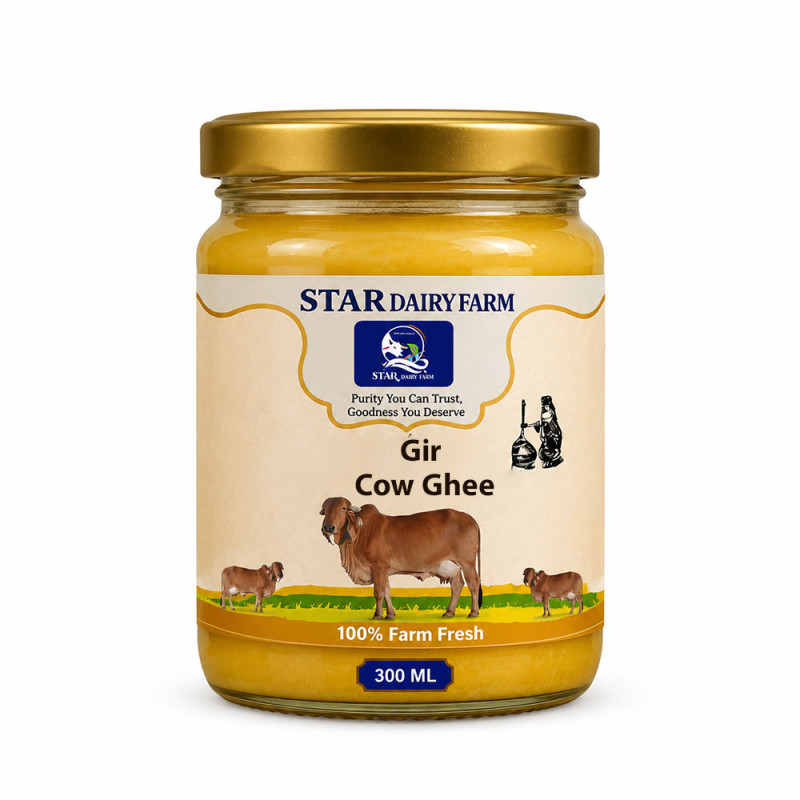
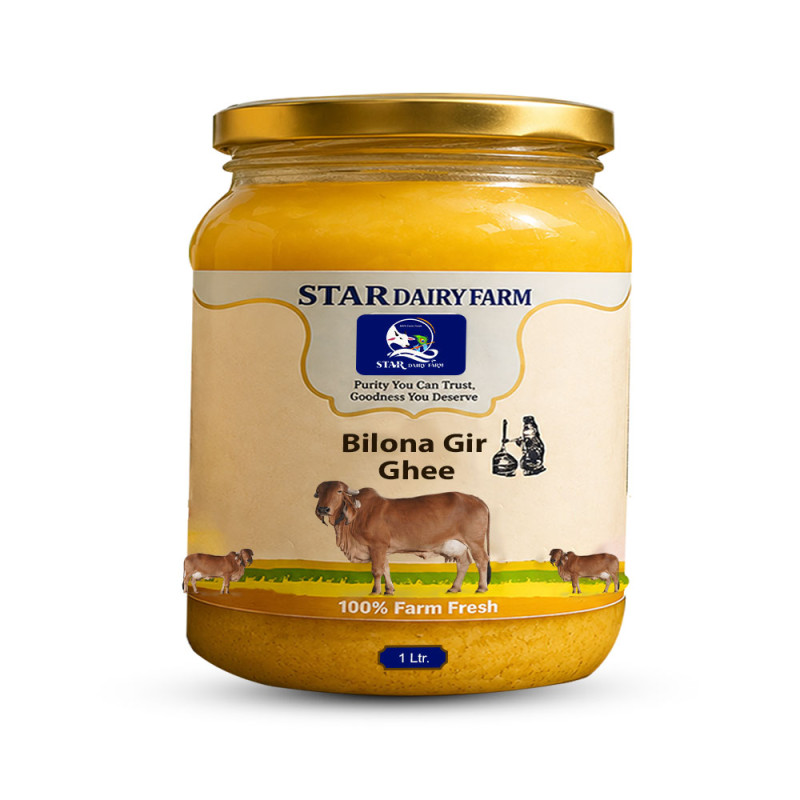
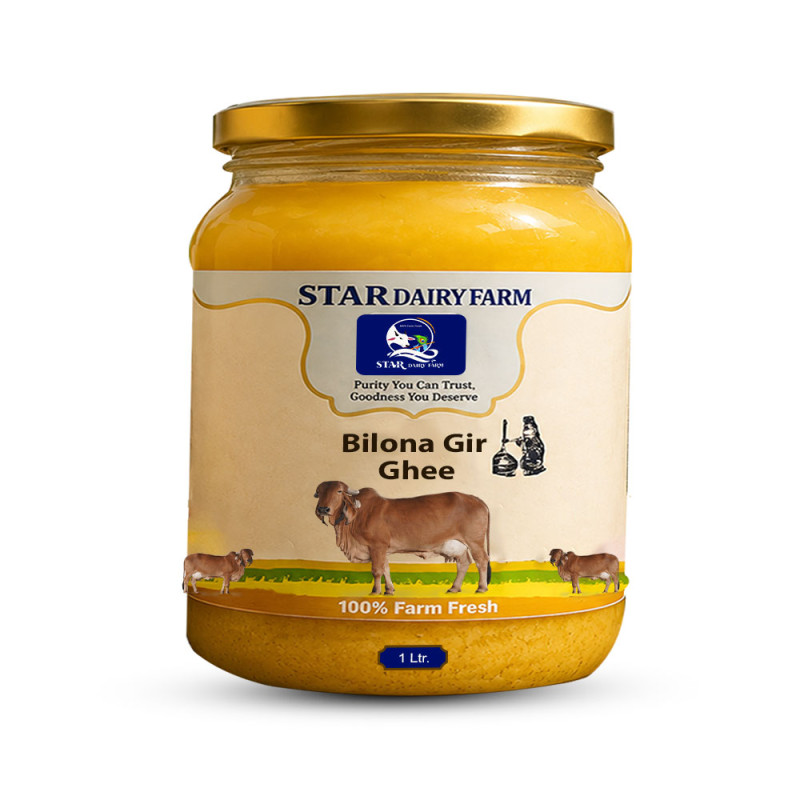
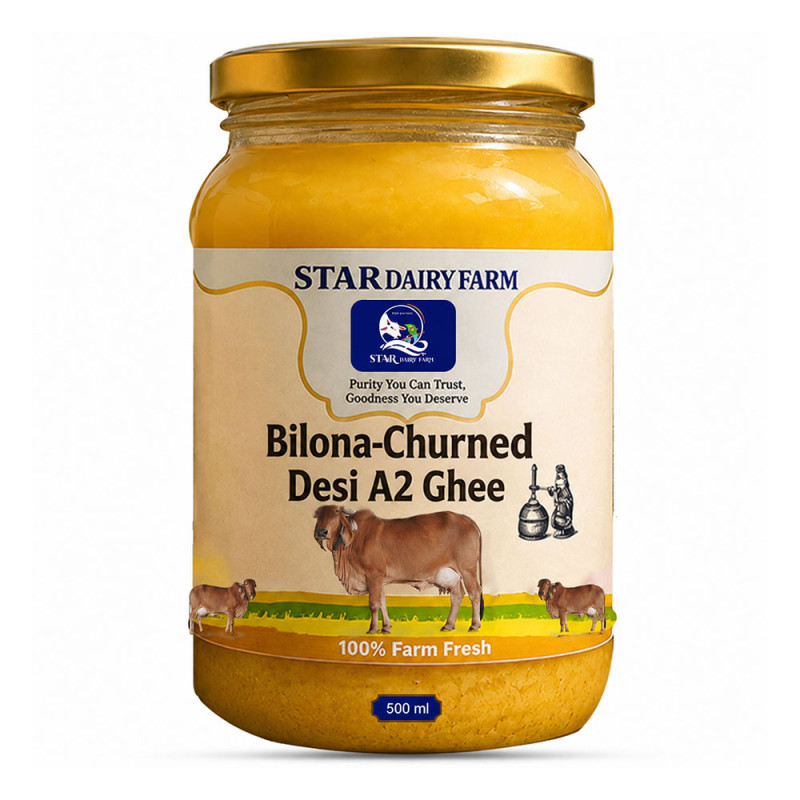
We work with buyers across different business requirements, including retailers, wholesalers, distributors, exporters, supermarkets, Ayurvedic companies and bulk purchasers.
Our approach is to combine traditional ghee preparation with proper handling, packaging and regular supply for our customers.
Features of Star Dairy Farms
- A2 Cow Ghee Manufacturer in India
- Pure A2 Gir Cow Ghee supplier
- A2 and traditional Bilona ghee products
- Wholesale and bulk supply options
- Food-grade ghee packaging
- Supply support for retailers and distributors
- Products suitable for export enquiries
- Quality-focused processing and handling
- Multiple cow ghee varieties
- Commercial supply for bulk buyers
We understand that different buyers look for different ghee products. A household may be interested in a smaller pack of Pure Cow Ghee, while a retailer may need regular stock of Gir Cow Ghee. A distributor or exporter may have different requirements related to quantity, packing and shipment.
That is why we keep different ghee products in our range instead of treating every buyer requirement in the same way.
A2 Is Only One Part of the Product
The word “A2” is important to buyers who specifically want A2 milk-based dairy products, but it should not be the only thing considered when purchasing ghee.
The milk source, cow breed, preparation method and handling all tell you more about what you are actually buying.
For example, A2 Bilona Ghee combines an A2 milk source with a traditional preparation method. Pure A2 Gir Cow Ghee focuses on the connection with Gir cow milk. These are different product characteristics, and each can influence the cost.
The same applies to regular cow ghee. Two products may both be called cow ghee while having different raw materials, processes and packaging.
For buyers, checking the product details is a better approach than judging quality only by the price.
Is Expensive A2 Ghee Always Better?
A higher price does not automatically mean that a ghee product is better.
The important question is what is behind that price.
Buyers should look at the source of milk, cow breed, preparation method, ingredients, packaging and supplier information. If a product costs more because it uses a particular milk source or follows a longer traditional process, the buyer can decide whether those characteristics match their requirements.
At Star Dairy Farms, we keep this difference in mind while offering several types of ghee. Our customers can choose from A2 Cow Ghee, A2 Bilona Cow Ghee, Gir Cow Ghee, Organic Ghee and other products according to their needs.
For commercial buyers, the order quantity and packaging requirements can also affect the final price.
What Should You Check Before Buying A2 Ghee?
Price is usually one of the first things a buyer checks, but it should not be the only point.
Before purchasing A2 Cow Ghee, consider these factors:
- Milk source: Check what type of milk is used to prepare the ghee.
- Cow breed: If you are specifically buying Gir ghee, check whether the product is identified as Gir cow ghee.
- Preparation method: Ask whether the ghee is made through the Bilona method or another process.
- Product information: Read the ingredients and product details before placing an order.
- Packaging: Proper packaging matters for storage, retail display and transportation.
- Order quantity: Wholesale buyers should compare prices according to their required quantity.
- Supplier requirements: Regular buyers should consider whether the supplier can maintain consistent supply.
- Export needs: Importers and exporters may need suitable packaging and documentation for their shipments.
These checks can make it easier to compare a regular ghee product with a more specific product such as Pure A2 Gir Cow Ghee.
Why Do Buyers Pay More for A2 Bilona Ghee?
The higher price of A2 Bilona Cow Ghee is often linked to both the milk source and the preparation method.
With the Bilona process, milk is converted into curd before the curd is churned to separate butter. That butter is then heated to produce ghee. Each stage requires time and handling.
When the milk itself is sourced for its A2 characteristics and the product is prepared through the traditional Bilona process, there are more factors contributing to the final cost.
This is why it is not always fair to compare a traditional A2 Bilona product directly with a standard commercially processed ghee only on a per-kilogram price basis.
Is A2 Ghee Worth the Extra Cost?
That depends on what the buyer wants from the product.
Someone looking mainly for an economical cooking fat may choose a regular ghee. A buyer specifically looking for A2 Cow Ghee, A2 Gir Cow Ghee, Pure A2 Gir Cow Ghee or A2 Bilona Ghee may be prepared to pay more because the milk source and preparation method matter to them.
For us at Star Dairy Farms, the aim is to give buyers different options rather than suggest that one type of ghee is suitable for everyone.
Our product range covers traditional and A2-based ghee options for households as well as commercial buyers. Retailers, wholesalers, distributors and exporters can discuss their quantity, packaging and supply requirements with us before placing an order.
Why Choose Star Dairy Farms for A2 Ghee?
When buying ghee for resale or regular commercial supply, the product itself is only one part of the purchase. Buyers also need to think about packaging, quantity, handling and regular availability.
We work with buyers looking for A2 Ghee, Gir Cow Ghee, A2 Bilona Cow Ghee, Organic Ghee and Traditional Bilona Ghee. Our range gives retailers and distributors different products to consider for their customers.
For bulk enquiries, buyers can discuss their requirements with us directly. We can understand the product, quantity and packaging they are looking for and take the conversation from there.
The reason A2 ghee costs more than normal ghee becomes much clearer when you look beyond the label. Milk sourcing, cow breed, preparation method, labour, processing and packaging all contribute to the final price.
For buyers comparing A2 Cow Ghee with regular ghee, the best approach is to check what goes into the product and decide whether those characteristics match their needs. At Star Dairy Farms, we continue to offer different ghee products so buyers can make that choice according to their own requirements.
Frequently Asked Questions About A2 Ghee
1. Why is A2 Ghee more expensive than normal ghee?
A2 ghee can cost more because of the milk source, cow breed, quantity of milk required, preparation method, labour, processing time and packaging. If the ghee is prepared through the Bilona method, the additional processing stages can also add to the production cost.
2. Is A2 Ghee made from Gir cow milk?
A2 ghee can be made from milk associated with cows producing A2-type beta-casein. Gir cows are commonly associated with A2 milk. At Star Dairy Farms, we offer Pure A2 Gir Cow Ghee as part of our ghee product range.
3. What is the difference between A2 Ghee and Bilona Ghee?
A2 describes the type of beta-casein associated with the source milk, while Bilona refers to a traditional method of preparing ghee. A product can have both characteristics, such as A2 Bilona Cow Ghee.
4. Why is Bilona Ghee more expensive?
The traditional Bilona process involves several stages, including curd preparation, churning, butter separation and clarification. The additional time, handling and labour can increase production costs compared with some commercial methods.
5. Is expensive A2 Ghee automatically better?
Not necessarily. Price alone does not tell you everything about a ghee product. Buyers should check the milk source, cow breed, preparation method, ingredients, packaging and supplier information before making a decision.
6. Does Star Dairy Farms supply A2 Ghee in bulk?
Yes. We supply A2 Cow Ghee, Pure A2 Gir Cow Ghee, A2 Bilona Cow Ghee and other ghee products for retailers, wholesalers, distributors, exporters and other commercial buyers.
7. What ghee products do you offer at Star Dairy Farms?
Our product range includes A2 Cow Ghee, Pure A2 Gir Cow Ghee, A2 Bilona Cow Ghee, Gir Cow Ghee, Gir Desi Cow Ghee, Organic Ghee, Traditional Bilona Ghee and Farm Fresh Ghee.
8. Can I buy A2 Ghee from Star Dairy Farms for resale?
Yes. We work with retailers, distributors, wholesalers and exporters who purchase ghee for commercial purposes. Buyers can contact us to discuss their required product, quantity and packaging needs.


