
A2 cow ghee has been a familiar part of Indian kitchens for generations. From adding a spoonful of ghee to hot dal and khichdi to using it in traditional sweets and festive recipes, ghee has always been more than just a cooking ingredient. Today, A2 cow ghee is also becoming increasingly popular among people who want to bring traditional food practices back into their everyday diet.
But how can you actually use A2 cow ghee in daily life? Is it only meant for traditional recipes, or can you use it for regular cooking too?
The simple answer is: A2 cow ghee can be used in many everyday ways—cooking, tadka, Indian sweets, breakfast, rice dishes, traditional recipes and as a finishing ingredient.
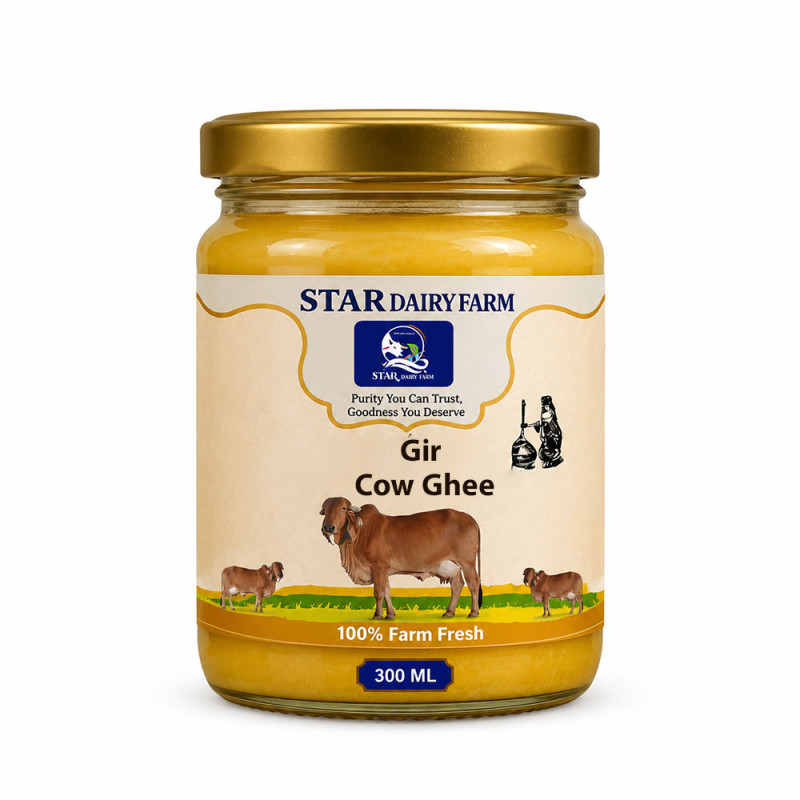
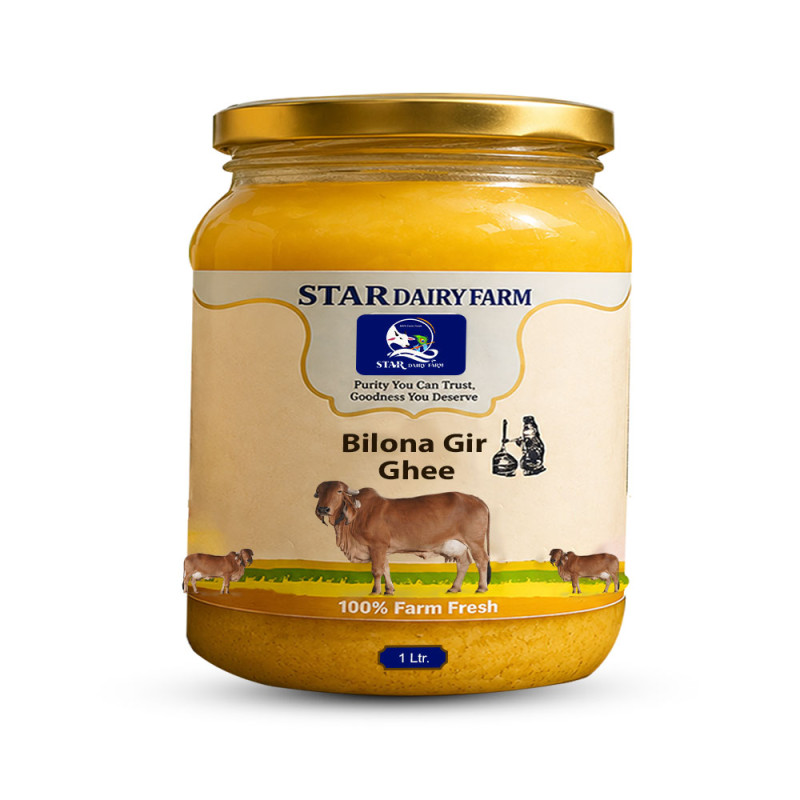
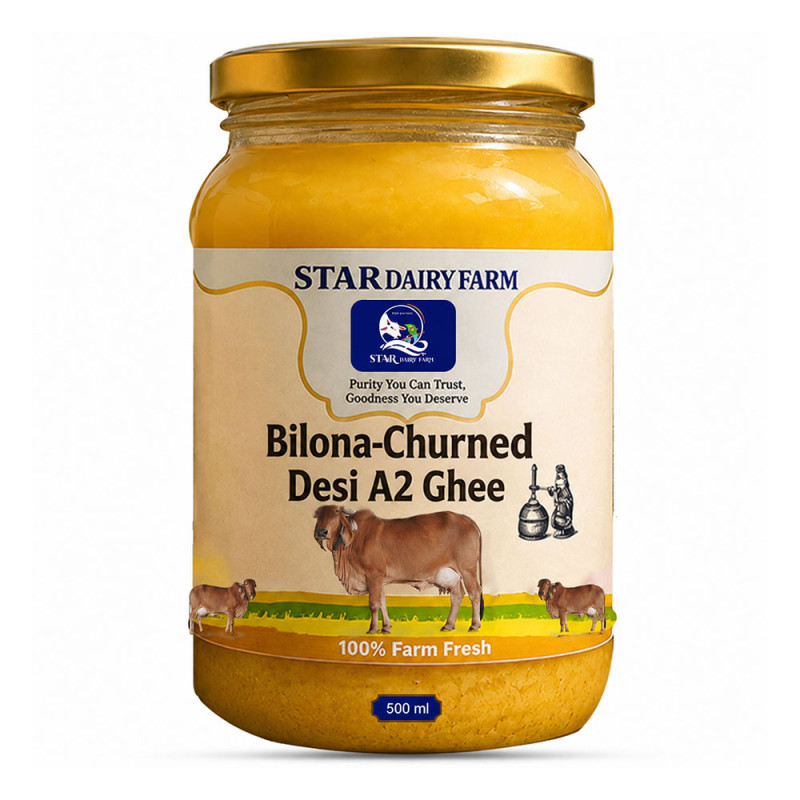
At Star Dairy Farms, we focus on supplying quality A2 cow ghee for families, retailers, wholesalers and businesses looking for a traditional ghee option. In this guide, we will explore practical A2 cow ghee uses and easy ways to include it in your daily food routine.
What Is A2 Cow Ghee?
A2 cow ghee is traditionally made from milk associated with cows producing A2-type beta-casein protein. The milk is processed to produce butter or makkhan, which is then traditionally clarified to make ghee.
However, it is important to understand that “A2” describes the beta-casein protein type in the source milk; it does not automatically mean that every A2 ghee product has the same nutritional profile or quality. Processing method, milk quality, purity and sourcing also matter.
For consumers, this means choosing ghee from a reliable supplier is important.
At Star Dairy Farms, our focus is on supplying A2 cow ghee with attention to sourcing, quality and traditional Indian food preferences.
Why Do People Use A2 Cow Ghee?
Ghee has traditionally been used in Indian households for several reasons. It provides richness and aroma to food, works well for cooking and can turn a simple meal into something much more satisfying.
Some common reasons people choose A2 cow ghee include:
- For everyday cooking and tadka
- To add flavour to dal, rice and khichdi
- For preparing traditional Indian sweets
- For roasting or sautéing ingredients
- As a finishing ingredient for meals
- For festive and religious food preparations
- As part of traditional Indian dietary practices
- For its rich aroma and texture
At the same time, ghee is a concentrated source of fat, so quantity matters. A traditional ingredient can be part of a balanced diet without needing to be consumed excessively.
A2 Cow Ghee Uses in Everyday Cooking
One of the biggest advantages of ghee is its versatility. You do not need to prepare a special recipe every time you want to use it.
Here are some practical everyday uses.
1. A2 Ghee for Dal Tadka
Dal and ghee are a classic combination.
Prepare your regular dal and finish it with a tadka made using a small amount of ghee, cumin, garlic, asafoetida or other preferred spices.
The ghee carries the aroma of the spices and gives the dal a rich, comforting taste.
For many Indian families, this is perhaps one of the easiest ways to include ghee in a regular meal.
2. A2 Ghee with Khichdi
Hot khichdi topped with a little ghee is a timeless Indian comfort food.
Whether you make moong dal khichdi, vegetable khichdi or a simple rice-and-dal version, a small spoonful of ghee can add richness and flavour.
It is particularly popular during simple home meals when you want something warm and satisfying.
3. Cooking Rice with A2 Cow Ghee
A small quantity of ghee can also be used while preparing rice.
You can sauté cumin, bay leaf, cardamom or other spices in ghee before adding rice and water. This simple technique creates a fragrant rice dish.
Ghee can also be added to:
- Jeera rice
- Pulao
- Vegetable rice
- Biryani-style preparations
- Lemon rice
- Plain steamed rice
4. A2 Ghee for Paratha and Roti
Ghee and Indian breads have a long-standing connection.
You can lightly apply ghee to:
- Roti
- Paratha
- Missi roti
- Bajra roti
- Makki roti
- Thepla
The amount can be adjusted according to your dietary requirements.
For someone trying to control total calorie or fat intake, there is no need to coat the bread heavily. A modest amount can provide the desired taste.
5. A2 Ghee for Sautéing Vegetables
Ghee can be used instead of other cooking fats in many recipes.
Try using a small quantity for sautéing vegetables such as:
- Carrots
- Peas
- Beans
- Cauliflower
- Potatoes
- Spinach
- Mixed vegetables
The natural aroma of ghee works particularly well with Indian spices.
6. A2 Cow Ghee for Breakfast
Ghee does not have to be limited to lunch and dinner.
Depending on your dietary preferences, you can use a small amount while preparing breakfast dishes such as:
- Poha
- Upma
- Paratha
- Besan chilla
- Dosa
- Stuffed roti
- Vegetable cheela
The idea is not to add large quantities, but to use ghee thoughtfully as part of the recipe.
Traditional Indian Recipes Using A2 Cow Ghee
Indian cuisine offers countless recipes where ghee plays an important role. Some are everyday foods, while others are associated with festivals, celebrations and family traditions.
1. Besan Ladoo
Besan ladoo is one of India's favourite traditional sweets.
Ghee is used to roast the gram flour slowly until it develops a deep, nutty aroma. Sugar and cardamom are then added before the mixture is shaped into ladoos.
The quality of ghee can influence the aroma and overall taste of the finished sweet.
2. Suji Halwa
Suji halwa is another simple recipe where ghee makes a noticeable difference.
Semolina is roasted in ghee before adding water or milk and sugar. Nuts and cardamom can be added for extra flavour.
It is often prepared during festivals, religious occasions and family gatherings.
3. Moong Dal Halwa
Moong dal halwa is known for its rich texture and luxurious taste.
Traditionally, generous quantities of ghee are used during preparation. Because this recipe can be quite rich, it is generally better enjoyed occasionally rather than treated as an everyday food.
4. Aate Ka Halwa
Wheat flour halwa is a simple traditional preparation made with flour, ghee, sugar and water or milk.
The flour is patiently roasted in ghee to develop its characteristic flavour.
5. Gajar Ka Halwa
Gajar ka halwa is especially popular during winter.
Grated carrots are cooked with milk, sugar and other ingredients, with ghee often used to enhance richness and flavour.
A small amount of ghee can also be added towards the end of cooking.
6. Dal Baati
Dal baati is strongly associated with Rajasthani cuisine.
Baati is traditionally baked and served with dal and ghee. The combination is hearty, flavorful and deeply rooted in Indian culinary culture.
7. A2 Ghee for Panchamrit and Traditional Preparations
Ghee is also used in various traditional and religious food preparations across India.
Depending on regional and family customs, ghee may be included in offerings, prasad and festive recipes.
A2 Cow Ghee in a Daily Diet
Adding ghee to your diet does not mean adding it to everything you eat.
A better approach is to use it intentionally.
For example, one person's day might include:
Breakfast:
Paratha or poha prepared with a modest amount of ghee.
Lunch:
Dal with a small ghee tadka and rice or roti.
Evening:
A normal snack without necessarily adding additional ghee.
Dinner:
Vegetable khichdi or roti with vegetables, using a suitable amount of cooking fat.
The exact quantity depends on the person's overall diet, calorie requirements, activity level and other sources of fat.
How Much A2 Cow Ghee Should You Consume?
There is no single universal quantity that is ideal for every person.
Your total dietary fat intake matters more than treating ghee as a food that must be consumed in a fixed daily dose.
A practical approach is to use small portions as part of balanced meals rather than consuming large quantities simply because ghee is considered traditional.
People with specific dietary restrictions, high cholesterol, cardiovascular concerns or other health conditions should discuss their individual fat intake with a qualified healthcare professional or dietitian.
A2 Cow Ghee vs Regular Cooking Oil
Many households use a combination of cooking fats rather than relying on one ingredient for everything.
Ghee and cooking oils have different fatty-acid profiles and culinary properties. Ghee is particularly valued for its flavour and suitability for many Indian preparations.
Instead of asking whether ghee should completely replace every cooking oil, consider:
What are you cooking? How much fat does the complete meal contain? What does your overall diet look like?
For example, ghee may work beautifully for tadka, paratha or traditional sweets, while different cooking oils may be preferred for other dishes.
A balanced approach is generally more practical than treating one fat as universally superior.
Why Quality Matters When Buying A2 Cow Ghee
Not all ghee products are necessarily identical.
When purchasing A2 cow ghee, customers should pay attention to factors such as:
1. Source of Milk
Ask where the milk is sourced and what information the supplier provides about the cows and milk.
2. Manufacturing Process
The production method can influence the taste, aroma and characteristics of the final product.
3. Purity
Choose products from suppliers who provide clear product information and appropriate quality documentation.
4. Packaging
Good packaging helps protect ghee from moisture, contamination and unnecessary exposure during storage and transportation.
5. Supplier Reliability
Whether you are buying for your home, retail store or business, a dependable supplier matters.
Why Choose Star Dairy Farms for A2 Cow Ghee?
At Star Dairy Farms, we understand that ghee is not simply another food product.
For many Indian families, it is connected with childhood memories, traditional recipes, festivals and everyday meals.
Our goal is to supply A2 cow ghee for customers who value traditional dairy products and want a dependable supplier for their requirements.
We focus on:
-
Quality-oriented sourcing
-
A2 cow ghee supply
-
Consistent product standards
-
Suitable packaging options
-
Wholesale and business requirements
-
Retail and bulk supply
-
Reliable customer support
-
Traditional Indian food applications
Whether you are a household customer looking for ghee for everyday cooking or a retailer searching for an A2 cow ghee supplier, Star Dairy Farms aims to make quality ghee sourcing straightforward.
Tips for Storing A2 Cow Ghee
Proper storage helps maintain the quality and aroma of ghee.
Follow these simple practices:
- Keep the container tightly closed.
- Store it in a cool, dry place.
- Use a clean and dry spoon.
- Avoid introducing water into the container.
- Keep the jar away from direct sunlight.
- Follow the manufacturer's storage instructions.
- Always check the product's best-before information.
Ghee may change in texture depending on temperature. It can become liquid in warm conditions and more solid in cooler conditions. This does not necessarily indicate spoilage.
Common Mistakes People Make While Using Ghee
Using Too Much
Ghee is calorie-dense, so adding large amounts to every meal can quickly increase total calorie intake.
Assuming More Means Healthier
Traditional does not mean unlimited. Even a traditional ingredient should be consumed according to individual dietary needs.
Storing It Incorrectly
Leaving the container open or using wet spoons can affect product quality.
Ignoring the Rest of the Diet
Ghee should be considered as one part of the overall diet—not as a replacement for vegetables, fruits, pulses, grains, protein and other nutritious foods.
Who Can Use A2 Cow Ghee?
A2 cow ghee can be used by many households as a cooking ingredient, provided it fits their dietary needs.
It can be particularly convenient for:
- Families preparing traditional Indian meals
- People who enjoy ghee-based recipes
- Restaurants and food businesses
- Sweet manufacturers
- Retailers and grocery stores
- Wholesalers and distributors
- Caterers and institutional kitchens
However, people with specific health or dietary requirements should determine suitable quantities with their healthcare professional.
Frequently Asked Questions About A2 Cow Ghee
1. Can A2 cow ghee be used for everyday cooking?
Yes. A2 cow ghee can be used for everyday cooking, tadka, sautéing and finishing dishes. The appropriate quantity depends on your overall diet and individual requirements.
2. Can I use A2 ghee for making sweets?
Yes. Ghee is commonly used in traditional Indian sweets such as ladoo, halwa and several festive preparations.
3. Can A2 cow ghee be used for roti and paratha?
Yes. A small quantity can be applied to roti or paratha for flavour and richness.
4. Is A2 cow ghee suitable for children?
Ghee can be part of a child's diet when appropriate for their age and overall dietary needs. Parents should consider the child's complete diet and consult a pediatrician or dietitian when specific dietary advice is needed.
5. Can A2 cow ghee replace cooking oil completely?
Not necessarily. Different fats have different nutritional and culinary properties. Many households use ghee alongside other cooking oils depending on the recipe and overall dietary pattern.
6. How should A2 cow ghee be stored?
Keep it tightly sealed in a clean, dry and cool place, away from direct sunlight and moisture. Follow the storage instructions provided on the product packaging.
7. Is more ghee better?
No. Ghee is a concentrated source of fat, so moderation is important. The right amount depends on your overall calorie and fat intake.
8. What makes Star Dairy Farms different as an A2 ghee supplier?
Star Dairy Farms focuses on supplying A2 cow ghee with attention to sourcing, quality and dependable supply for households, retailers, wholesalers and food businesses.
Bring Traditional Ghee Back to Your Kitchen with Star Dairy Farms
Food traditions often survive because they are simple.
A little ghee on hot dal. A fragrant tadka over khichdi. Homemade halwa during a festival. A warm paratha finished with ghee. These small things have been part of Indian food culture for generations.
A2 cow ghee can fit naturally into these everyday moments when used thoughtfully.
If you are looking for a reliable A2 cow ghee supplier, Star Dairy Farms can help you source A2 cow ghee for household, retail, wholesale and business requirements.
Looking for A2 Cow Ghee in bulk or wholesale quantities? Contact Star Dairy Farms to discuss your requirement, packaging options and supply needs.


